
Tahuri Whenua
National Māori Horticultural Collective
Ko wai mātou?
Who are we?
Tahuri Whenua functions as a charitable kaupapa Māori organisation working across māra kai (food cultivation) and horticultural spaces.
Tahuri Whenua works to represent Māori interests in horticulture and supports, facilitates and shares māra kai resources.
Our governance
Tahuri Whenua is led by an elected committee, Chairperson and Deputy Chairperson. Our leadership team consists of; māra kai practitioners, horticulturalists, academics (specifically plant, horticultural and agricultural scientists) and iwi representatives. Alongside this, Tahuri Whenua is guided by our kaumātua rōpū (group of elders) regarding tikanga (cultural process) and our collective kaupapa.
There is a regional flavour across our leadership structures and this is intentional. This ensures that Tahuri Whenua operates as a national kaupapa and remains open to all, ahakoa nō hea, ahakoa ko wai (no matter where one is from, or who one is). Tahuri Whenua is open to all peoples of the globe, indigenous or otherwise, that share a love of producing and sharing kai (food).
As a kaupapa Māori driven and serving entity, Tahuri Whenua, is governed by Māori worldviews, culture, values and administerial structures. This ensures that our functioning and all activities are inherently Māori in their conception, implementation and delivery.
Formal governance structures followed and practiced by Tahuri Whenua include Te Tiriti o Waitangi 1840 (and associated principles) and as a registered Charitable Society we are subject to all conventions included in the Incorporated Societies Act 2022.
Ngā uara
Our vision and aspirations
Our kaupapa
Tahuri Whenua or the National Māori Horticultural Collective was established in 2003 and operates as a charitable society. Tahuri Whenua was borne out of a need to preserve Māori knowledge of traditional food crops, their production and cultural practice. Tahuri Whenua holds strong relationships with many marae, hapū and whānau Māori across Aotearoa.
Tahuri Whenua’s strategic vision lies in representing Māori interests across our national horticulture industry from crop production through to marketing, training and education. Our key objectives include:
- promoting collaborative Māori participation within the wider horticulture industry,
- improving crop production systems,
- building relationships with the horticulture sector and other relevant industries,
- facilitating Māori participation in horticultural research and development and
- to acknowledge, practice, preserve and share mātauranga Māori.
Tahuri Whenua hosts two annual hui: an annual general meeting (AGM) and a Hui-a-rohe (regional hui). We also host several smaller hui or wānanga at the request of our membership and/or wider network.These activities remain open to all who wish to attend.
Our mahi
Alongside providing advice and support regarding māra kai and the production of traditional Māori food crops, Tahuri Whenua participates across a spectrum of spaces including research, science and innovation, governance and policy, formal representation and education and training.
Tahuri Whenua has participated in a diverse range of spaces and projects since its inception including:
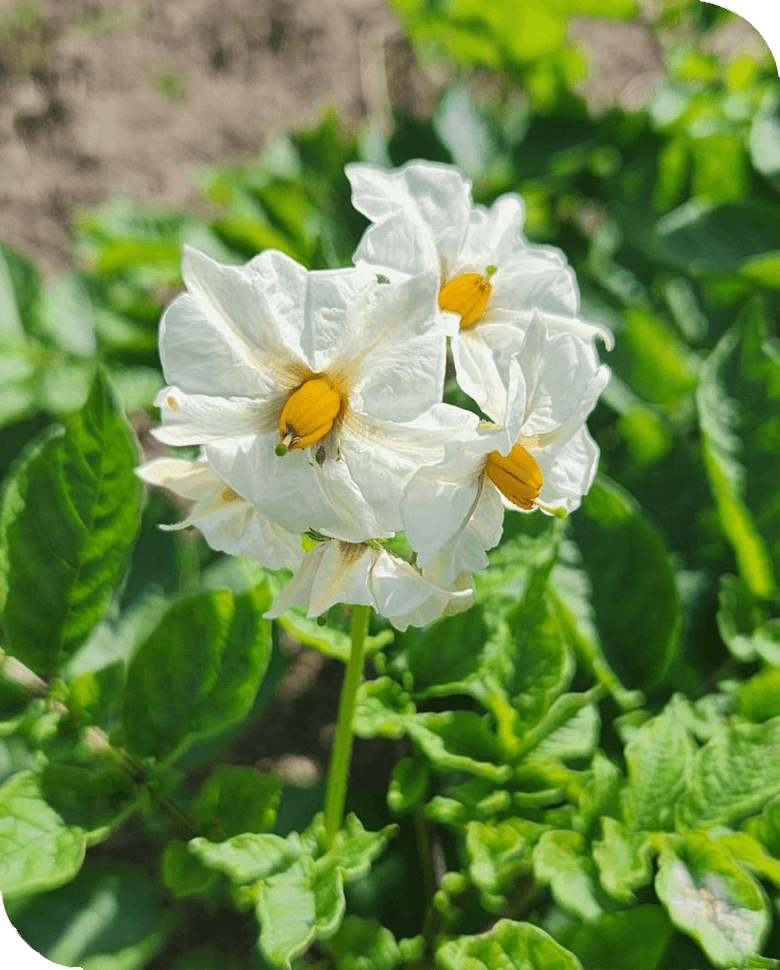
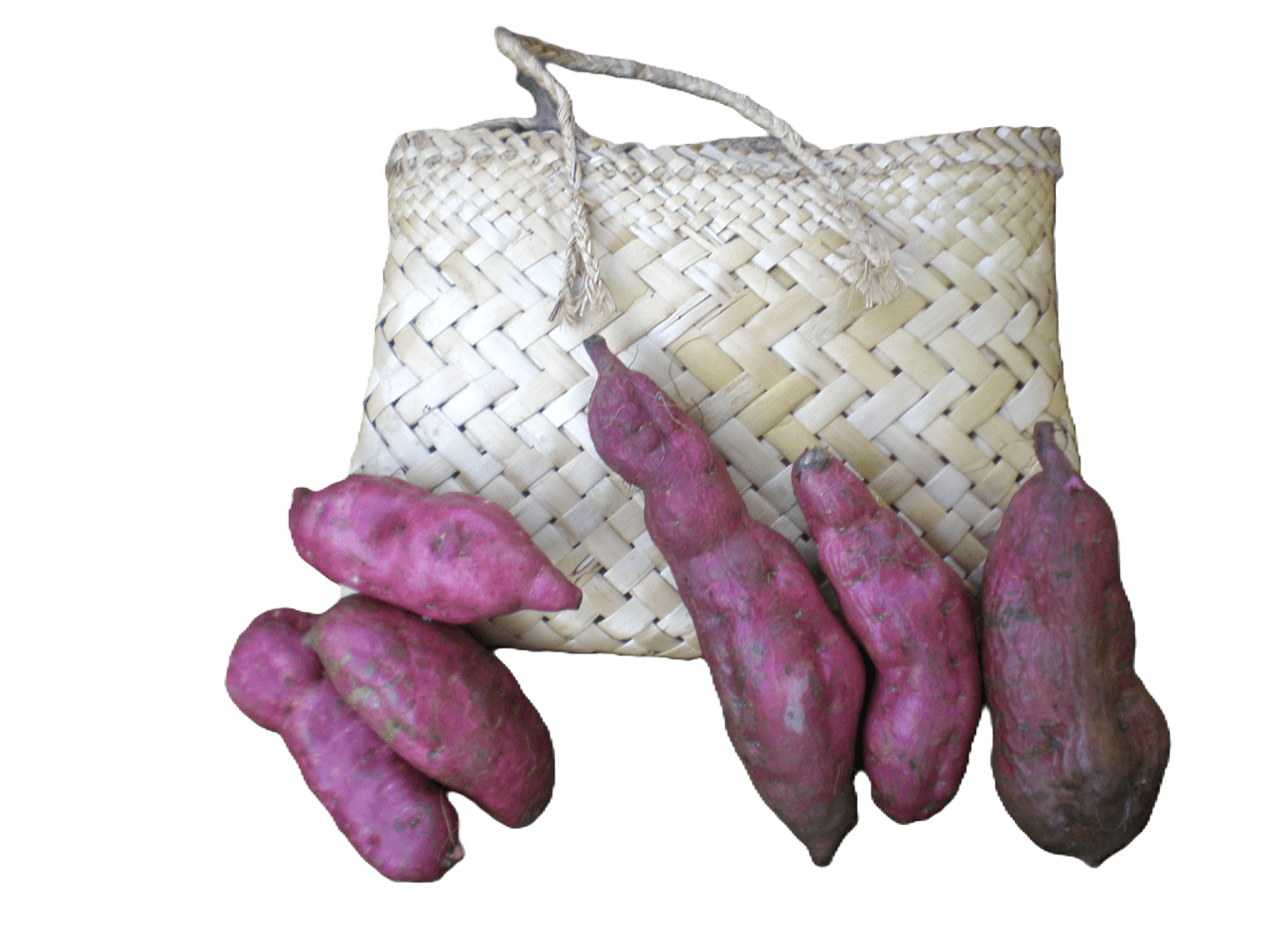
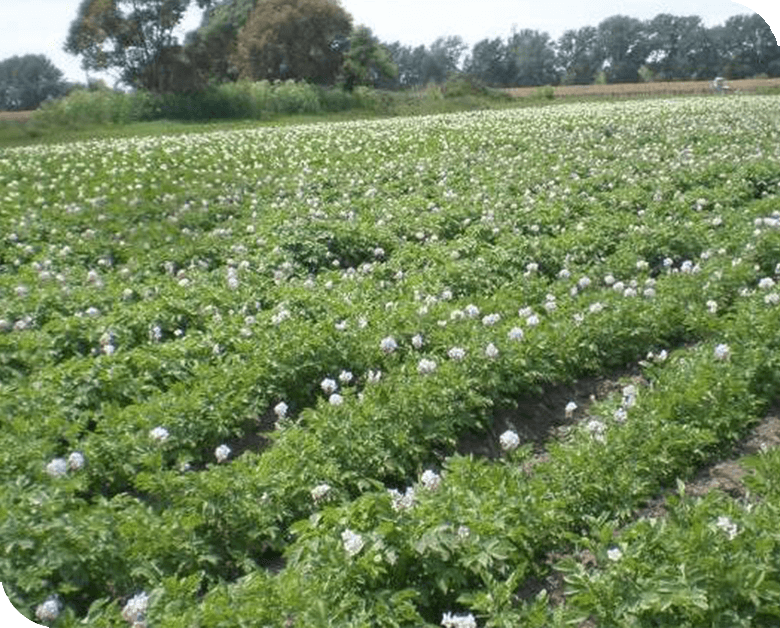
- the establishment of germplasm collections for kūmara (Ipomoea batatas) and taewa (Solanum tuberosum spp. tuberosum and andigena, Māori potatoes),
- documentation of traditional knowledge aligned to key taonga species including tī kōuka and mānuka,
- participating in/or leading science and research relevant to cultivated Māori crops including a range of agronomy trials in partnership with national research entities, and
- providing commentary and participating in spaces relevant to māra kai practice and traditional crops that require Māori perspectives or positions on topics of cultural and national importance (e.g. preparing submissions regarding the introduction of novel biological control agents to Aotearoa).
Tahuri Whenua has published a series of books based on traditional foods; food production systems and ethnobotany related to key cultivated taonga species. These are available for purchase in our online store and our free resources can be found on Māra kai webpage.
Māra kai
We support and facilitate, produce and share knowledge and māra kai resources.
Our logo
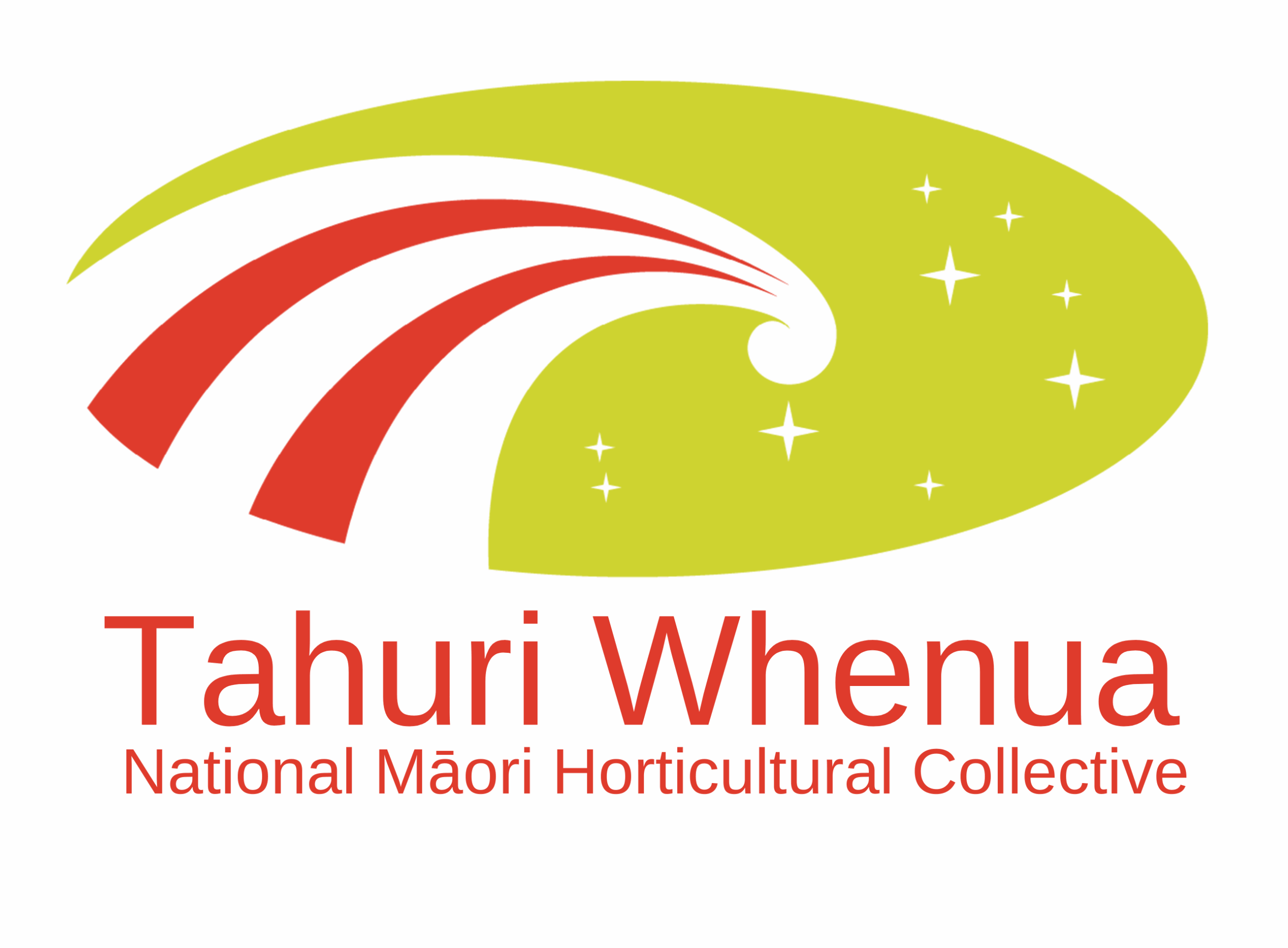
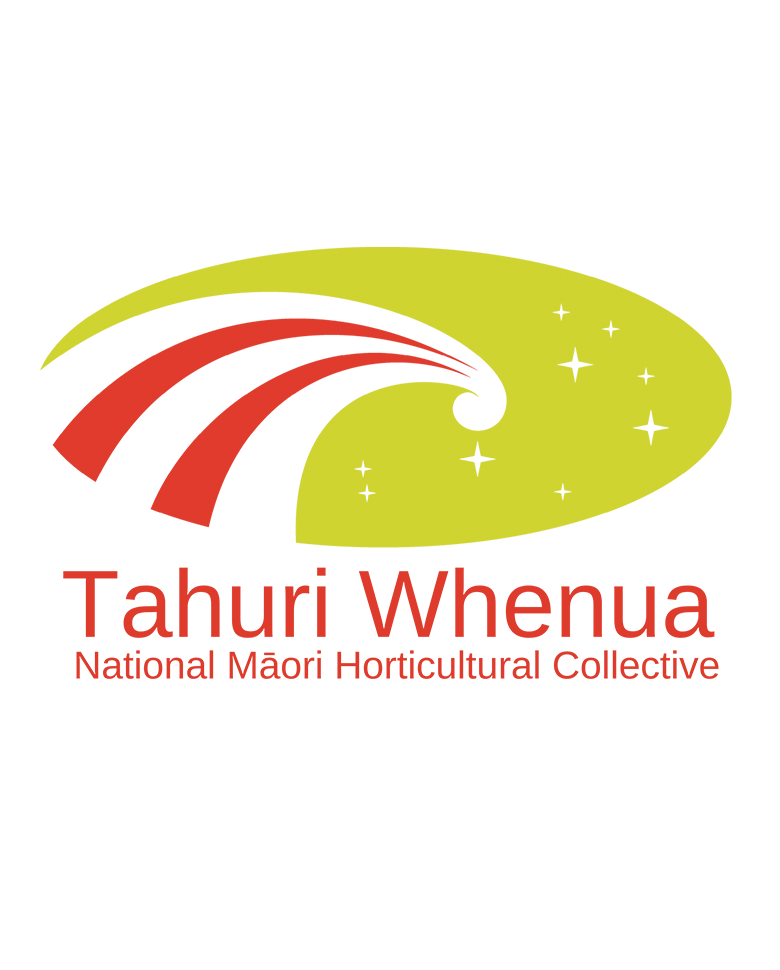
The brief for the Tahuri Whenua logo was to create a simple, yet effective, logo based around the concept of food. Thus, the logo is a visual representation of thoughts and concepts surrounding Māori cultivation practices.
The Matariki star cluster, also known as Pleiades, the Seven Sisters and Subaru, is illustrated true to scale within the right side of the logo. This star cluster is significant to Māori for many reasons including the reading of future weather patterns and crop yields.
The other element of the logo is a three-pronged koru form. The three prongs are stylized representations of crop mounds. The use of three signifies the popular ‘many hands make light work’ proverb.
The negative space between the three prongs shows two curving triangular forms (shown in red). These triangular forms are the beak of a Huia, used to represent the ‘fruits of labour’, but also a reminder of what may be lost if we don’t look after natural resources.
The three prongs join in the central area of the logo into a koru form. This koru represents the fern frond, known as piko, or pikopiko, an important wild food for Māori.
The motifs shown within the elliptical base of the logo are shown in negative space and have been ‘cut’ away from the coloured areas. This ‘cutting’ is a representation of the cutting of the earth – the digging of crops.